The Fourth Discourseman
It’s a common experience in the Christian life to feel near to God when things are going well. I don’t mean well in a purely worldly sense; spiritual flourishing can ripen in the midst of great worldly pain, and sometimes misfortune even adds to that. There are moments when we know a profound sense of joy in the midst of anguish, when our suffering is sanctified by knowledge of God’s love for us, and his sovereign ordaining of all things for our good. The hope of future glory is woven into present pain.
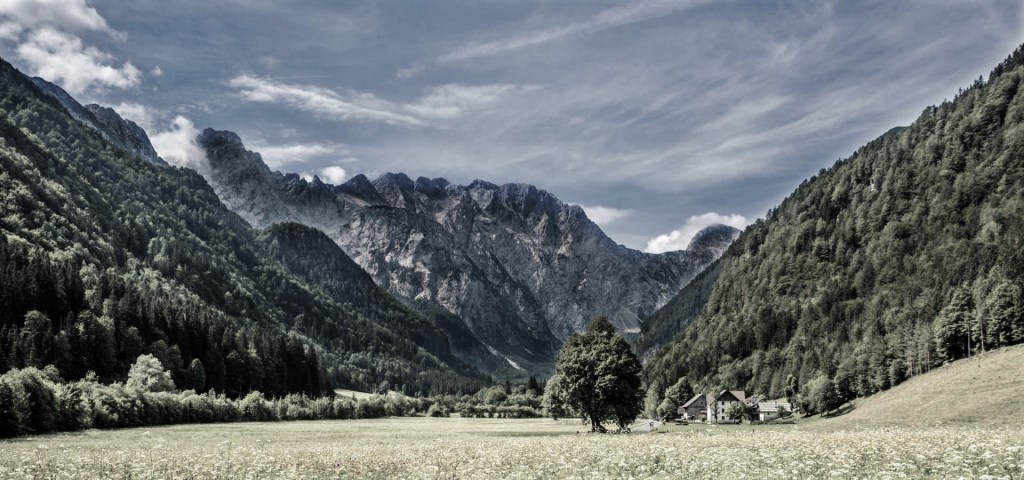
But what of the valley of spiritual darkness? What of those times when nobility has fled from our pain, when no spiritualised narrative seems to fit our experiences, when there seems to be no beauty or catharsis to be found, but only ugliness and numbness, and the persistent blanket of darkness? How do we find God in those circumstances? Sometimes, in the particularly dark times, perhaps we even whisper the worst to ourselves: How can we dare to believe in the goodness of God?
There might be a comfort to be found in pondering the miracle of Christ in such times. God is not far off, we tell ourselves; he is not aloof, but has come near. He has taken on himself our flesh and all our frailties. The God who in his perfection seems unable to suffer comes to bear the weight of human pain. In Christ our tears become his, our sorrows land weighty on his heart. Though the darkness is not dispelled, God has entered into it.
But what when that feels so abstract, so ethereal, even? The coming of Christ was two millennia ago. The New Testament is charged with eschatological zeal, a posture of readiness for the coming glory of our Lord; but the centuries have rumbled steadily on, the world has changed, and still Christ has not come. And then there is the incarnation itself. We can scarce get our head around the mystery of the God-man. So often in our efforts to emphasise God becoming man we stress the first part of that profundity: God hung on that cross. But is he a man I can recognise, one whom I can know walks beside me?
When we speak of the incarnation of Christ as God’s stooping down to bear our pain and sorrows, we are articulating a profound mystery. But in doing so we can miss something of the glory of that mystery. The darkness, we suppose, belongs to us. Our pain is already ours; we have laid claim to it, and Christ merely enters into it, a visitor in the valley.
But that is to underestimate the depths of Christ’s journey, for us, into the darkness. Just as God in Christ becomes not only a man, but the man, so the suffering he willingly takes upon himself is not simply any human suffering, but its ultimate manifestation. Christ is archetypal at every level of his existence: on the mount of transfiguration, in blazing glory; but also on Golgotha’s cross, through the shame and ugliness of his execution. As the New Adam, Christ walks our roads and knows our pain. But more than that, his truest road is far deeper and far darker than any we will face. His descent was down beyond the valley, into the abyss that only the God-man could hope to bear, and even then with tears and sweat-drops of blood at the sight of it. His was the journey to Hades, to Death itself.
What then is the suffering of Christ? It is the agony of nails rammed through flesh and bone, the horror of slow asphyxiation on a coarse wooden cross. But surely also it is the agony of God-forsakenness, of bearing all the guilt of sinful mankind, of draining the cup of the Father’s wrath to its last and bitter dregs. At this the epicentre of human suffering, Christ the God-man epitomises our pain, yet transcends it in ways we could never imagine.
So the suffering of Christ cannot only be the stooping down of the perfect God into the mire of human pain. Instead, Christ exposes the untold depths to which human suffering can go, depths to which, in God’s goodness, those who trust in him will never have to descend. There is a sense, then, that in our suffering we are the ones who stoop down to Christ, not the other way round. We may feel we know the valley of human darkness. But we are only sojourners. The valley belongs to Christ.
 The Four Discoursemen